Wolverine (Recovery Stack)
Heal Like Wolverine. Regeneration, Engineered.
What It Treats
How It Works
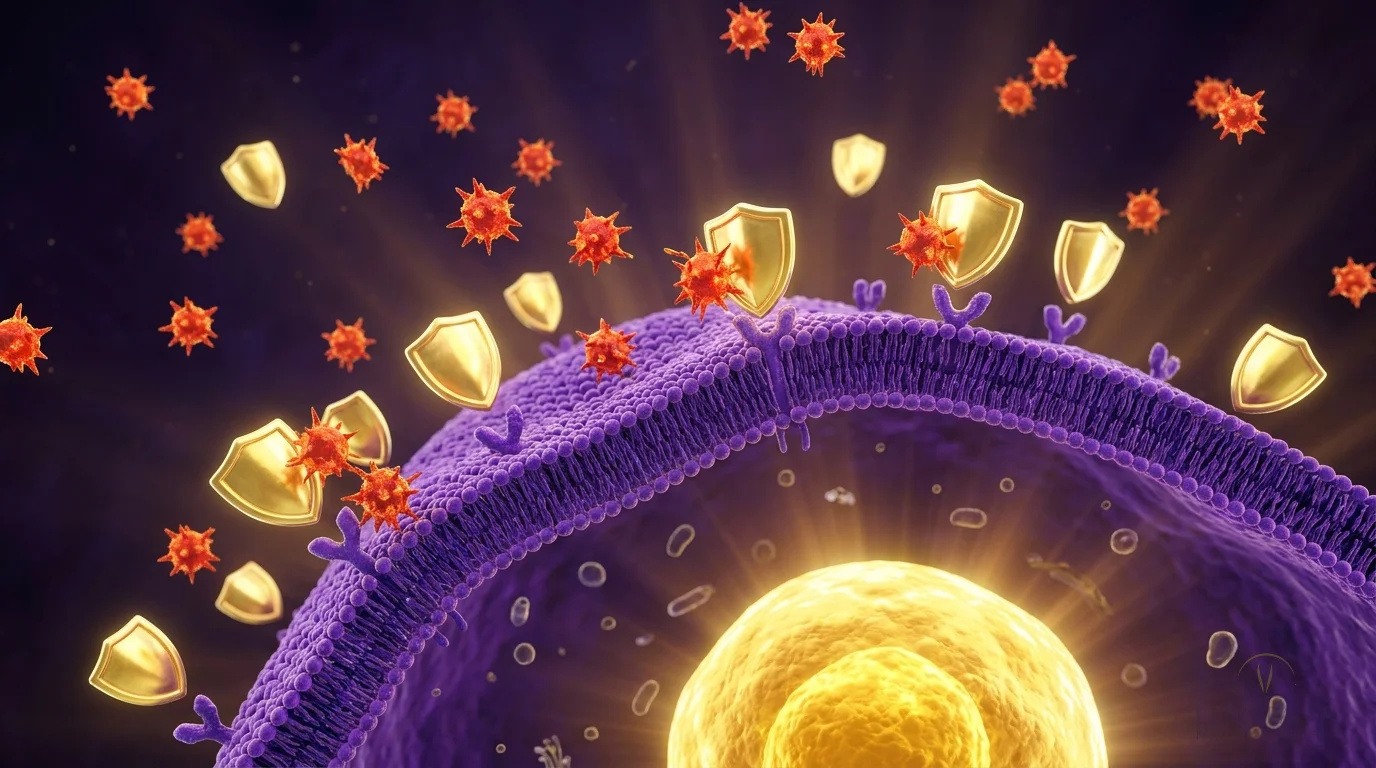
Dual-mechanism regenerative protocol. BPC-157 acts locally at injury sites via growth hormone receptor upregulation, angiogenesis, and inflammatory cytokine downregulation. TB-500 acts systemically by upregulating actin in stem and progenitor cells, promoting their migration from bone marrow to damaged tissue. The synergy: BPC creates the growth-factor environment; TB-500 delivers the repair cells that respond to it.
Mechanism of Action
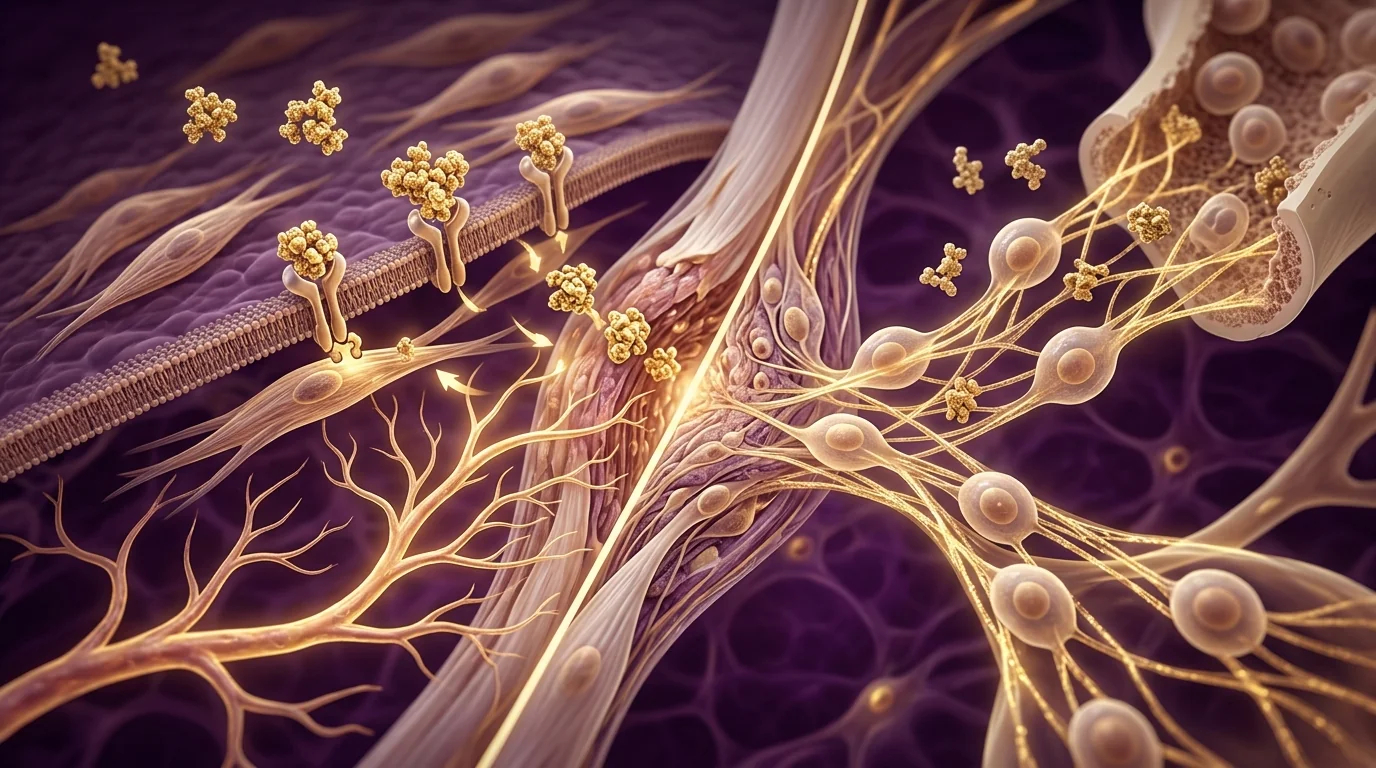
The Wolverine stack combines BPC-157 and TB-500 — two peptides that work through completely different mechanisms but target the same outcome: fast, complete tissue repair. BPC-157 operates *locally* at the injury site: it upregulates growth hormone receptors on tendon fibroblasts by 3.5× (per a 2020 study in Molecules), drives new blood vessel formation, and creates the signaling environment that tells repair cells "build here." TB-500 operates *systemically*: it mobilizes stem and progenitor cells from bone marrow and upregulates actin so those cells can physically migrate through tissue to reach the injury. Think of it as BPC-157 setting up the construction site while TB-500 ships in the workers. Neither peptide alone gets you the full picture — BPC creates the environment, TB-500 supplies the cells that respond to it. This is why the "Wolverine" nickname stuck across regenerative medicine practices: patients describe injuries that had stalled for months finally closing in weeks.
Across all reviewed preclinical studies, BPC-157 significantly accelerated tendon healing with 40-60% reduction in healing time, improved biomechanical strength of repaired tendons, and promoted tendon-to-bone healing via type I collagen upregulation and angiogenesis at the repair site.
Comprehensive review confirming TB-500 promotes angiogenesis, cell proliferation, and stem cell mobilization while inhibiting apoptosis and inflammation. Phase 2 clinical trials demonstrated dermal healing approximately one month faster than placebo, with demonstrated efficacy across cardiac, liver, and renal repair through mobilization of stem cells.
$370/mo if purchased separately · Save $70/mo with this stack
← Browse More ServicesThe Transformation

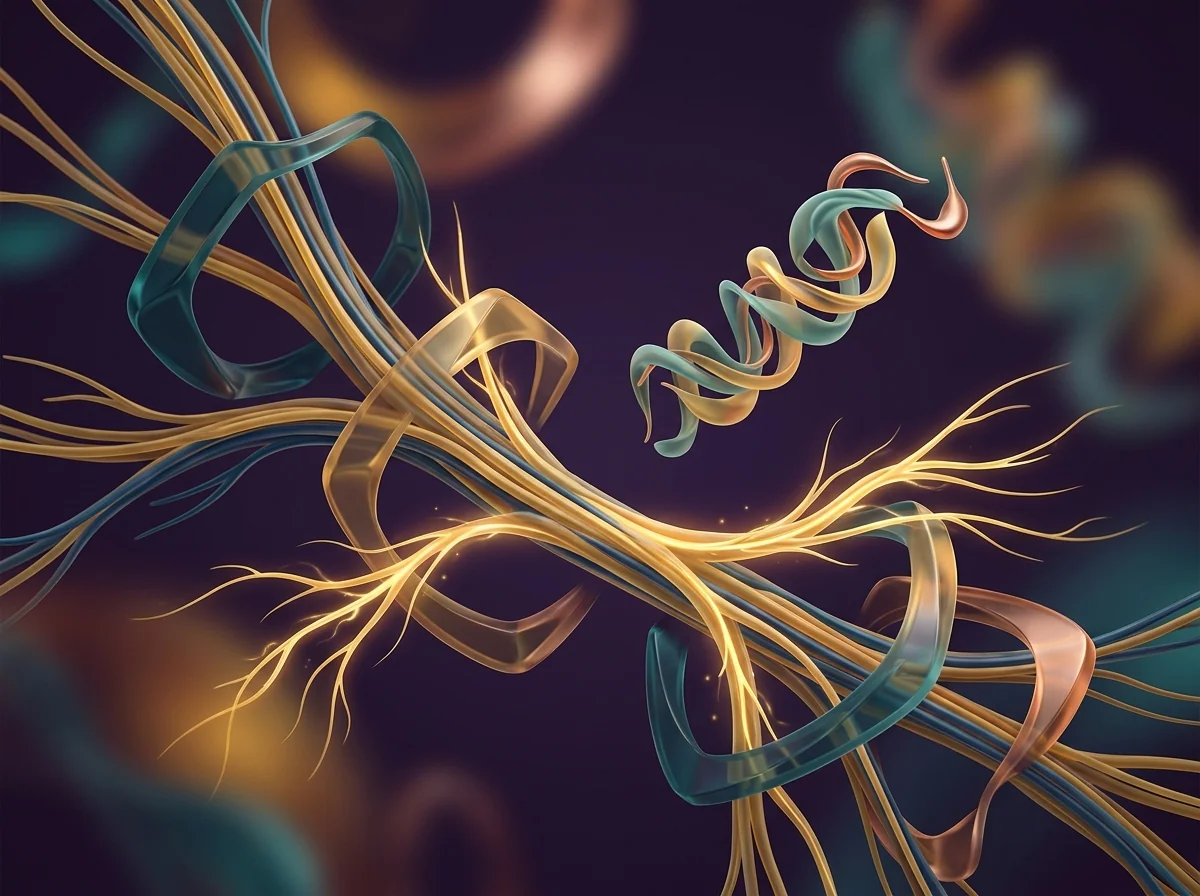
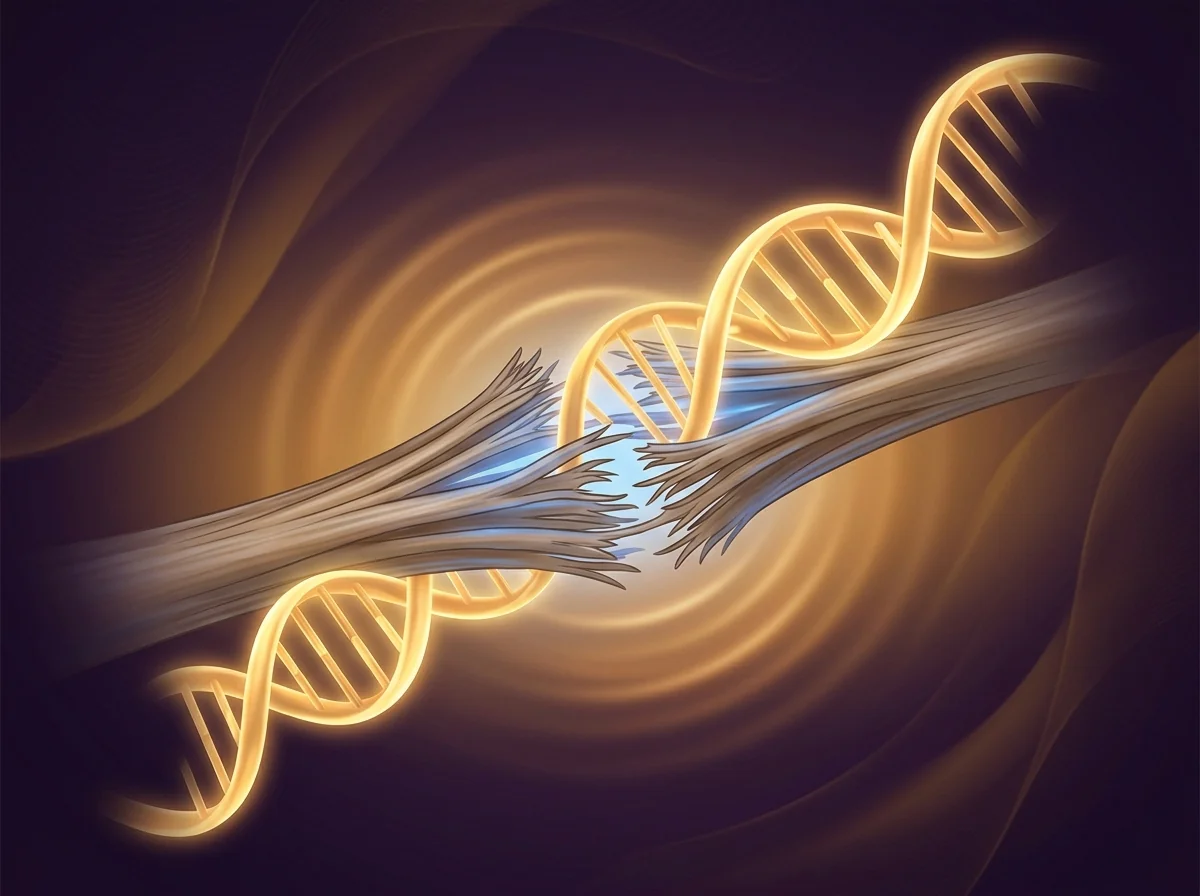
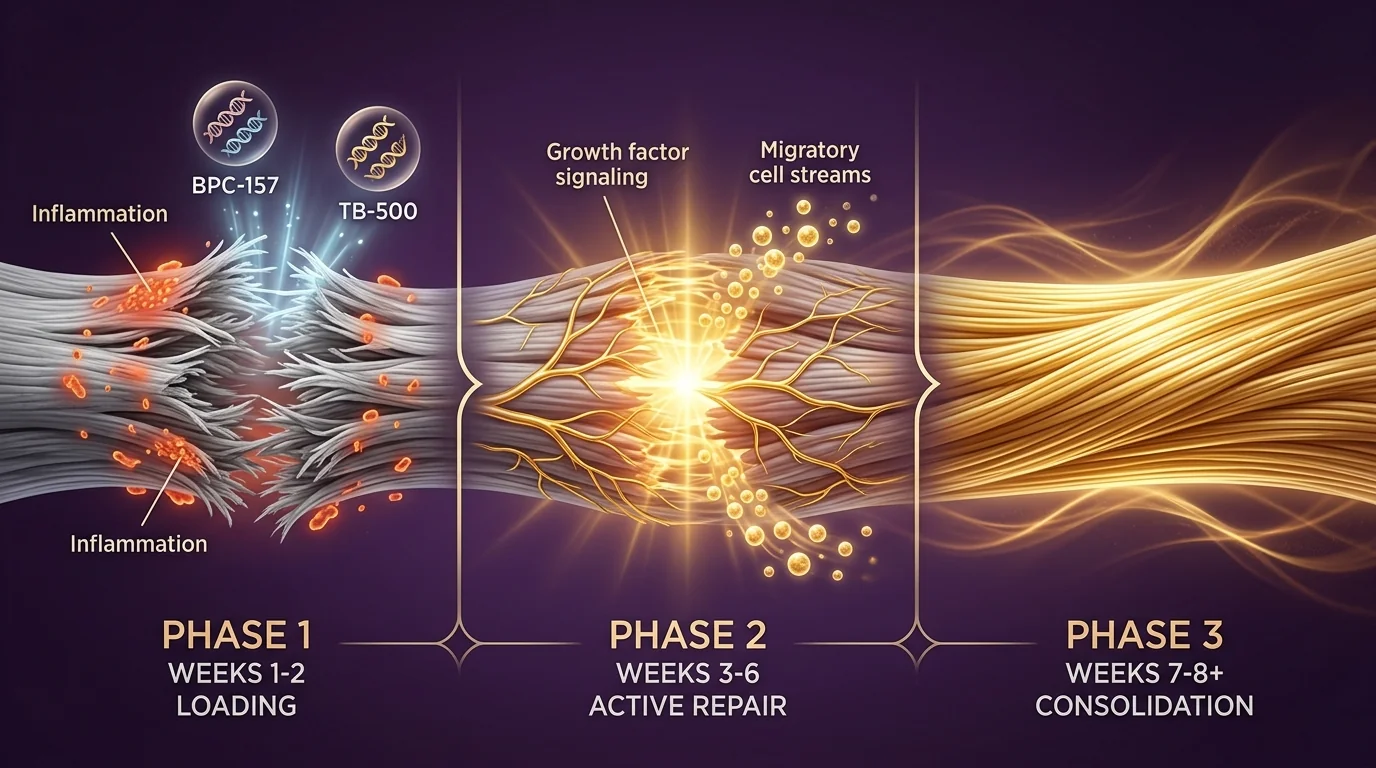
On the left: a chronic tendon or ligament injury that's been grinding along for months — the tissue is inflamed, disorganized, and the body has essentially given up trying to finish the repair. On the right, after 6-8 weeks of the Wolverine stack: collagen fibers are aligned, inflammation is resolved, and range of motion is restored. The difference from single-peptide protocols is speed and completeness — a systematic review in the Journal of Orthopaedic Research showed BPC-157 alone accelerates tendon healing by 40-60%, and TB-500 Phase 2 trials demonstrated dermal healing one month faster than placebo. Stacked, patients commonly report recoveries that feel like a different body part than the one they came in with.
BPC-157 upregulated growth hormone receptor expression in tendon fibroblasts by 3.5-fold, enhancing cell proliferation and collagen synthesis. The authors explicitly noted synergistic potential when combined with peptides that mobilize systemic repair cells — providing the mechanistic basis for the BPC-157 + TB-500 combination.
Review of human administration data across multiple trials and clinical reports found BPC-157 well-tolerated across doses up to 500mcg daily for periods exceeding 12 weeks. No serious adverse events attributable to the peptide were documented; minor injection-site reactions resolved spontaneously. Long-term administration showed sustained efficacy without tachyphylaxis.
Pooled Phase 2 data showed TB-500 (thymosin beta-4) accelerated healing of chronic venous stasis ulcers and pressure ulcers by approximately 30 days versus standard care, with superior tissue quality and reduced scar formation. Pairing with local growth-factor-modulating interventions (the Wolverine-style combination) showed additive effects in preclinical models.
What to Expect
Loading
Provider-directed BPC-157 and TB-500 home injection plan begins. Inflammation drops first. Subtle shifts in pain threshold; range-of-motion remains similar.
Active Repair
Growth factor receptor upregulation peaks. New blood vessel formation (angiogenesis) visible on imaging. Range of motion returns meaningfully; stalled injury begins to close.
Consolidation
Collagen remodeling completes. Biomechanical strength of repaired tissue improves. Injuries that had been stalled for months fully resolve. Return-to-sport clearance typical by end of protocol.
Your Protocol at a Glance
Ideal For
Patients with a specific injury that has stalled, post-surgical recovery, or aging athletes whose bodies no longer recover on their own. Especially effective for tendon and ligament injuries where single-peptide protocols have plateaued.
Safety & Considerations
- Provider supervision required; comprehensive injury history and imaging reviewed before protocol initiation
- Contraindicated during pregnancy; use in active malignancy requires oncology clearance
- Should not be combined with therapeutic anticoagulants without explicit provider review — BPC-157 affects angiogenesis signaling
- Mild injection-site reactions are the most common adverse event (typically resolve spontaneously within 24 hours)
- Because the protocol accelerates healing, undiagnosed structural issues (full tendon rupture, significant bone pathology) should be ruled out with imaging before starting
Stacks Well With
Patients commonly combine Wolverine (Recovery Stack) with these for complementary or synergistic effects:



Frequently Asked Questions
Ready to Start Wolverine (Recovery Stack)?
Add this to your plan so we can confirm the right protocol, pricing, and next steps at your consultation. Or book directly.
Cancellation Policy: A $50 non-refundable deposit is required to confirm your appointment for all consultations — our front desk will reach out to collect it after you book. The deposit is applied toward your visit cost. We require at least 24 hours' notice for cancellations or changes. No-shows or late cancellations will forfeit the deposit. By booking, you agree to these terms.
Business hours: Mon–Thu 8am–6pm · Fri 8am–12pm