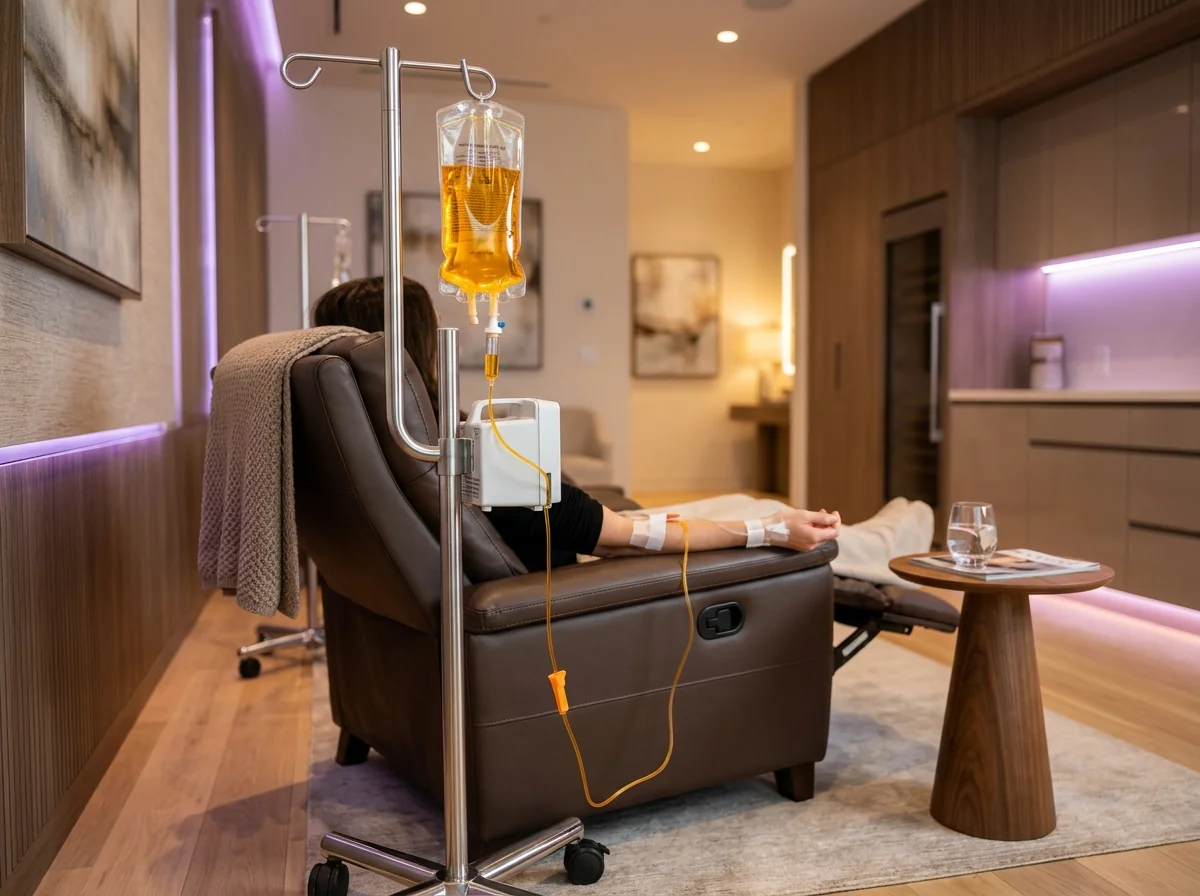
High Dose Vitamin C
Beyond Supplementation. Therapeutic Dosing.
What It Treats
How It Works
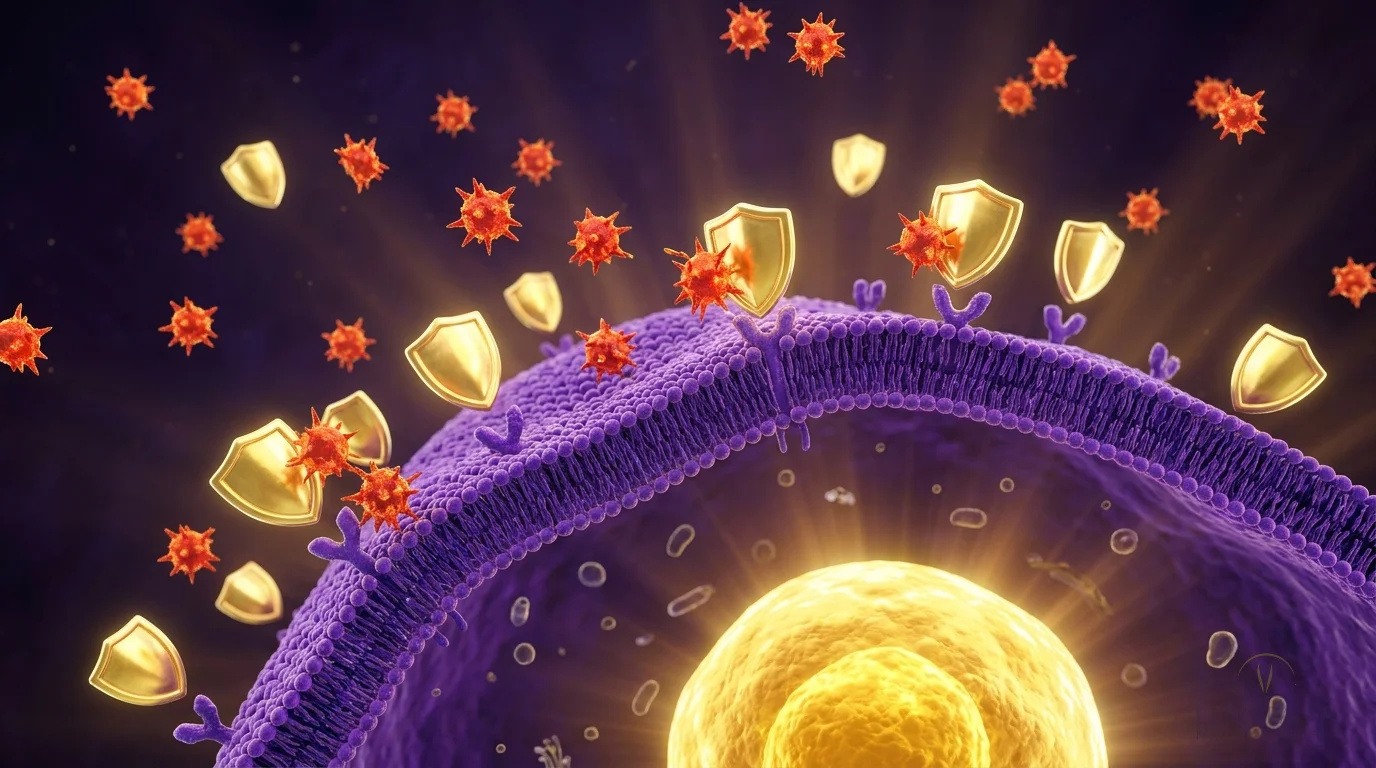
IV vitamin C bypasses gut absorption limits to achieve plasma concentrations 100x higher than oral dosing. At these pharmacological levels, it generates hydrogen peroxide selectively in virally-infected and abnormal cells — a mechanism shown to inhibit EBV replication and exert selective cytotoxicity against cancer cells while sparing healthy tissue. It simultaneously supercharges NK cell and lymphocyte function, accelerates collagen synthesis, and reduces systemic inflammation.
Mechanism of Action
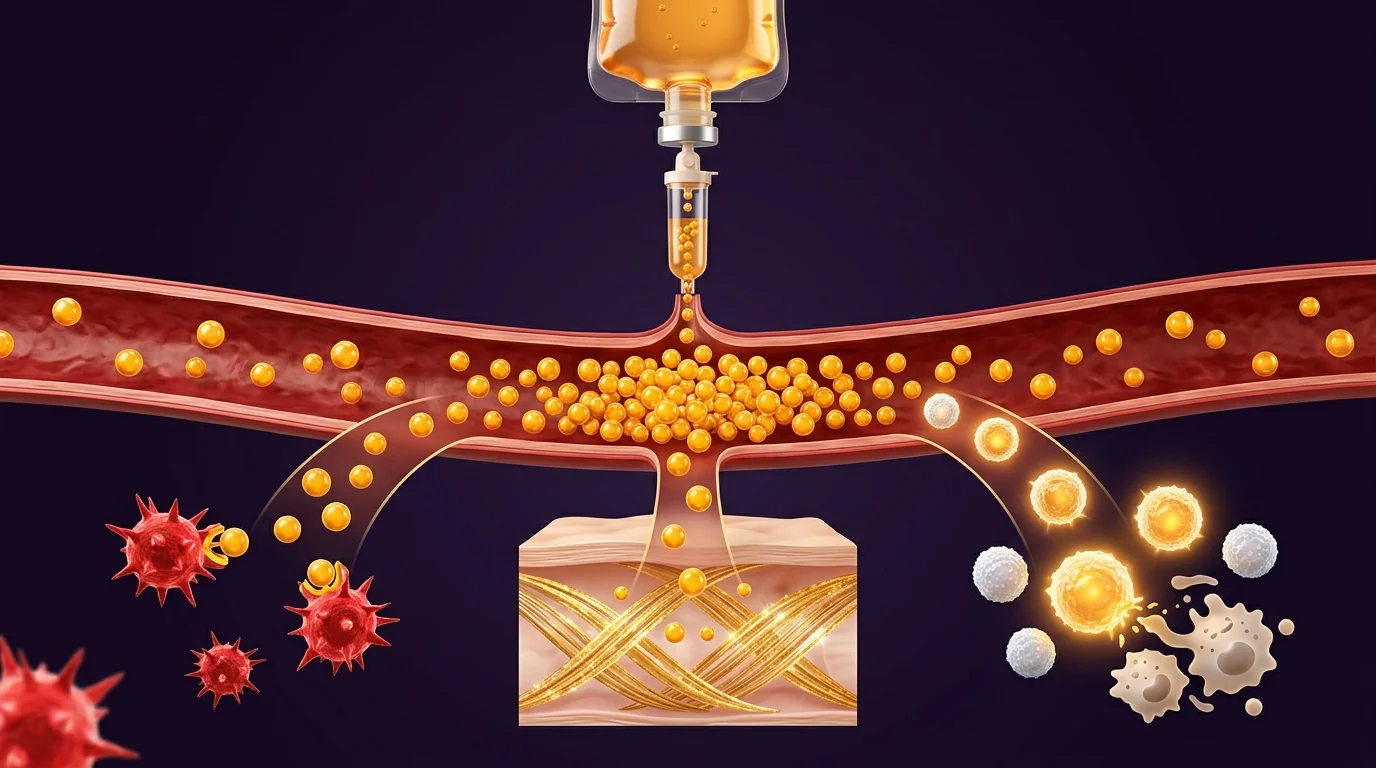
Oral vitamin C maxes out at about 200mg absorption — your gut simply can't absorb more. But IV delivery bypasses the digestive system entirely, achieving plasma concentrations 100-fold higher than any oral dose can reach. At these pharmacological concentrations, vitamin C shifts from a simple antioxidant to a powerful pro-oxidant specifically inside damaged or abnormal cells. This is critical for two conditions: Epstein-Barr virus (EBV) and cancer. EBV-infected cells and cancer cells both have low catalase activity — meaning they cannot neutralize the hydrogen peroxide that high-dose vitamin C generates, leading to selective cell death while healthy cells remain protected. A study in Medical Science Monitor showed IV vitamin C reduced EBV viral load and improved fatigue scores in patients with chronic EBV. In cancer care, research in the Annals of Oncology demonstrated selective cytotoxicity against tumor cells through this same oxidative mechanism, while simultaneously reducing chemotherapy side effects and improving quality of life.
Patients with chronic EBV treated with high-dose IV vitamin C (7.5-50g) showed significant reduction in EBV viral capsid antigen (VCA) antibody titers and marked improvement in fatigue, cognitive function, and overall well-being. The authors proposed that pharmacological ascorbate concentrations directly inhibit viral replication while simultaneously enhancing NK cell cytotoxicity against EBV-infected cells.
High-dose IV vitamin C produced sustained plasma ascorbate levels of 20-49 mM — concentrations that generate selective cytotoxicity against cancer cells through hydrogen peroxide production in cells with low catalase activity, while healthy cells with normal catalase were unaffected. The study demonstrated the pharmacological basis for IV vitamin C as adjunctive cancer therapy.
The Transformation

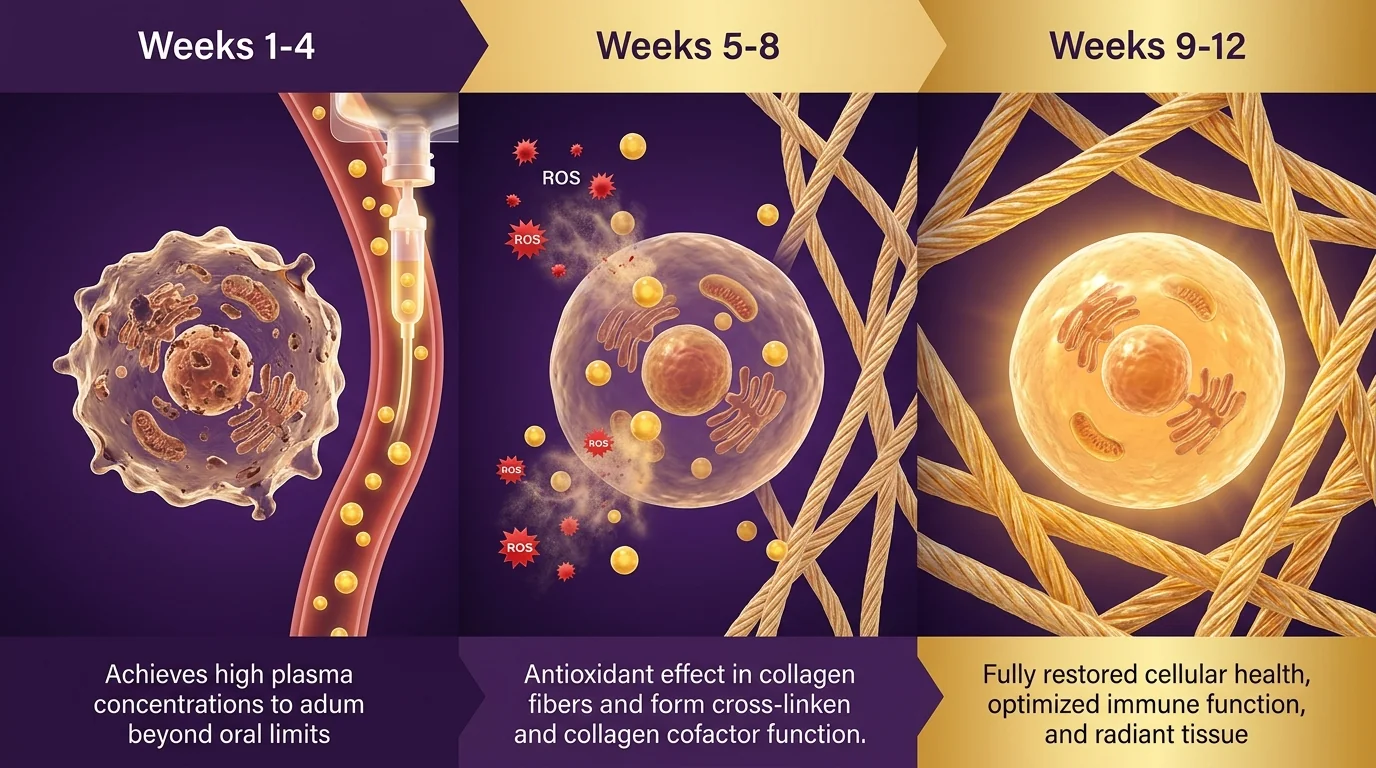
The difference between oral and IV vitamin C isn't incremental — it's a completely different therapeutic category. On the left: a body dealing with chronic EBV reactivation or undergoing cancer treatment — fatigued immune cells struggling to contain viral replication or abnormal cell growth, high inflammatory markers, oxidative damage. On the right: after high-dose IV delivery, cells are saturated with ascorbic acid at pharmacological concentrations. NK cell activity increases by up to 10-fold, directly targeting EBV-infected and abnormal cells. Hydrogen peroxide generation selectively damages cells with low catalase (EBV-infected cells, tumor cells) while healthy cells neutralize it effortlessly. Patients with chronic EBV report dramatic fatigue reduction. Cancer patients report fewer chemo side effects and improved energy. This is supportive therapy that works alongside your body's own immune response and any conventional treatment.
In a phase I/II trial, high-dose IV vitamin C combined with carboplatin/paclitaxel chemotherapy reduced chemotherapy-associated toxicity (neurotoxicity, hepatotoxicity, bone marrow suppression) while trends suggested enhanced tumor response. The authors demonstrated that pharmacological ascorbate selectively sensitizes cancer cells to chemotherapy while protecting normal tissue — supporting its role as an adjunctive therapy.
The CITRIS-ALI trial and follow-up analyses established that high-dose IV vitamin C in critically ill patients reduced organ failure scores and mortality at 28 days. The findings demonstrated that vitamin C's role extends beyond antioxidant support into active modulation of inflammatory cascades during acute systemic stress — validating pharmacological-dose IV ascorbate as a therapeutic, not just nutritional, intervention.
Landmark pharmacokinetic study demonstrated that oral vitamin C absorption is strictly capped by intestinal transporters, with plasma concentration plateauing at approximately 200 μM regardless of oral dose. IV administration bypasses this ceiling, achieving plasma concentrations of 10,000-25,000 μM — the range required for the selective pro-oxidant tumoricidal and antiviral effects seen with pharmacologic dosing. The findings provided the mechanistic justification for IV (rather than oral) high-dose vitamin C.
What to Expect
First Session
G6PD screening confirmed; provider-directed IV infusion begins. Most patients feel an immediate subtle energy improvement within hours, with hydration and skin brightness noticeable by day 2-3.
Loading Phase
Weekly infusions during acute protocols (EBV recovery, active chemotherapy adjunct, pre-surgical prep). Viral titers drop; immune markers shift favorably; fatigue steadily improves.
Maintenance
Monthly infusions for longevity and immune maintenance. Acute protocols typically complete at 6-8 weeks; many patients continue with maintenance as part of their ongoing wellness protocol.
Your Protocol at a Glance
Ideal For
Patients with chronic or reactivated Epstein-Barr virus, those undergoing cancer treatment seeking adjunctive support, anyone with immune optimization goals, post-illness recovery, chronic fatigue (especially EBV-related), and anti-aging patients wanting enhanced collagen production.
Safety & Considerations
- G6PD deficiency screening required before first infusion — hemolysis risk in deficient patients
- Mild warmth or flushing during infusion common; resolves with slower rate
- Contraindicated in severe renal failure (ascorbate metabolizes to oxalate)
- Patients on chemotherapy must coordinate timing with oncologist to avoid interference with certain regimens
- Very well-tolerated overall — one of the safest high-impact IV therapies in the clinic
Stacks Well With
Patients commonly combine High Dose Vitamin C with these for complementary or synergistic effects:

Frequently Asked Questions
Ready to Start High Dose Vitamin C?
Add this to your plan so we can confirm the right protocol, pricing, and next steps at your consultation. Or book directly.
Cancellation Policy: A $50 non-refundable deposit is required to confirm your appointment for all consultations — our front desk will reach out to collect it after you book. The deposit is applied toward your visit cost. We require at least 24 hours' notice for cancellations or changes. No-shows or late cancellations will forfeit the deposit. By booking, you agree to these terms.
Business hours: Mon–Thu 8am–6pm · Fri 8am–12pm