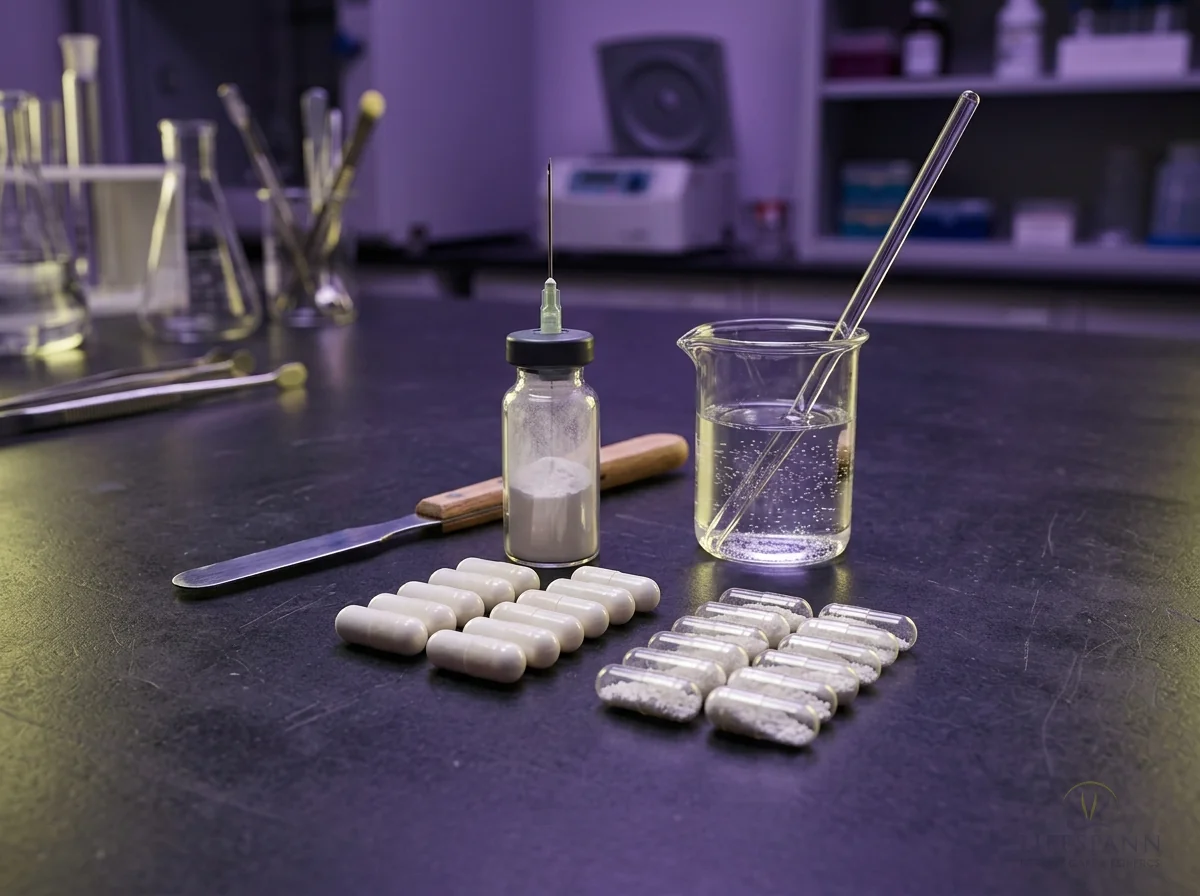
Amino Acid Therapy
The Building Blocks Your Body Is Missing.
What It Treats
How It Works
Amino acids are the raw materials for every protein your body makes — enzymes, hormones, neurotransmitters, muscle tissue. Targeted blends address specific deficiencies that blood work reveals.
Mechanism of Action
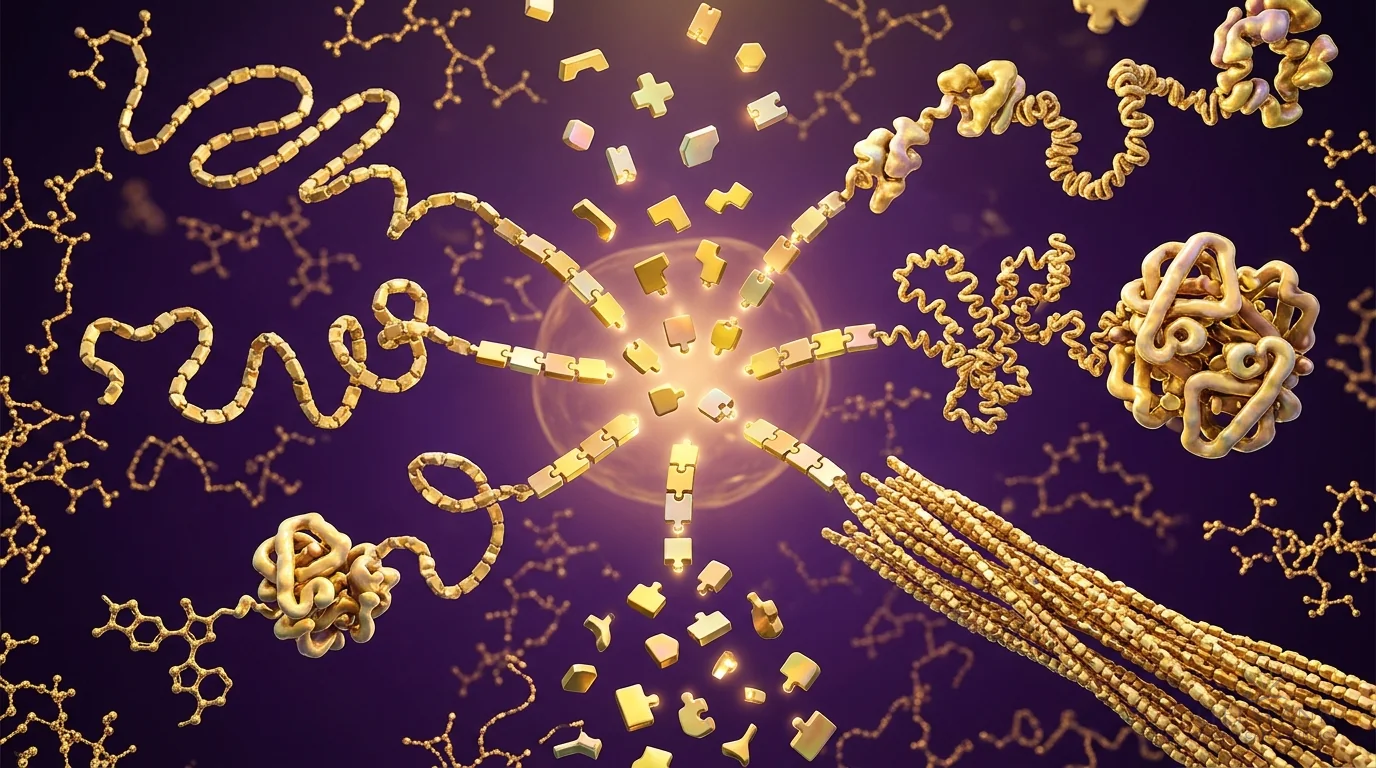
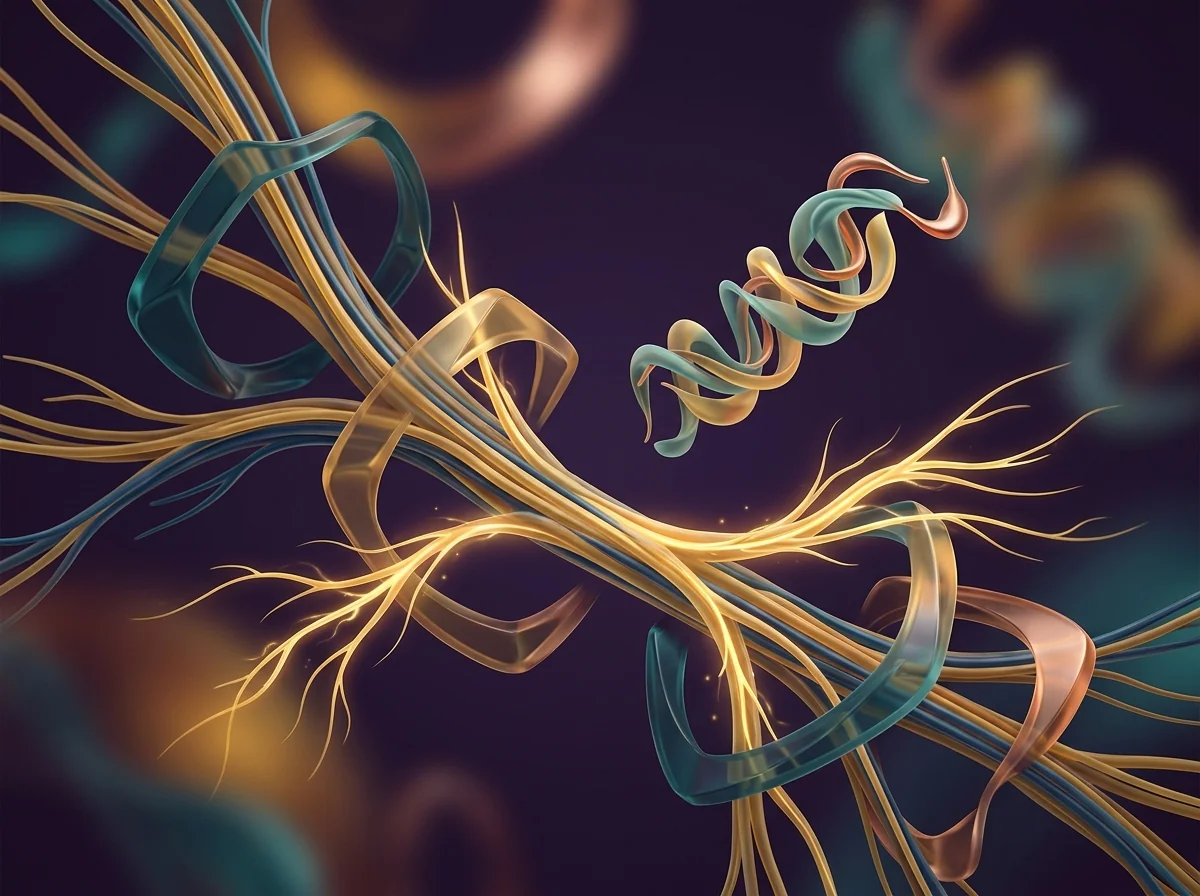
Think of amino acids like the ingredients in a recipe. If you're missing even one key ingredient, the whole dish falls apart. Research published in Nutrients confirmed that deficiencies in key amino acids like tryptophan and tyrosine directly impair serotonin and dopamine production, causing measurable mood disturbances. This illustration shows what happens when all the right amino acids are available: at the center, individual building blocks (the golden cubes) are being snapped together into functional proteins — some become mood-regulating neurotransmitters, some become muscle tissue, some become enzymes that run your metabolism. When blood work shows you're deficient, this assembly line grinds to a halt — and you feel it as fatigue, brain fog, poor recovery, or mood changes.
Position stand reviewing the evidence for amino acid supplementation in active individuals. BCAAs reduced exercise-induced muscle damage by 20-30%, glutamine supported immune function and reduced infection rates, and essential amino acid blends enhanced muscle protein synthesis by 25-50% when combined with resistance training. The review confirmed targeted amino acid supplementation as an evidence-based strategy for performance and recovery.
Deficiencies in tryptophan, tyrosine, and phenylalanine directly impair serotonin and dopamine production, causing measurable mood disturbances. Targeted supplementation restored neurotransmitter precursor availability and improved depression and anxiety scores in subjects with documented amino acid deficiencies.
The Transformation

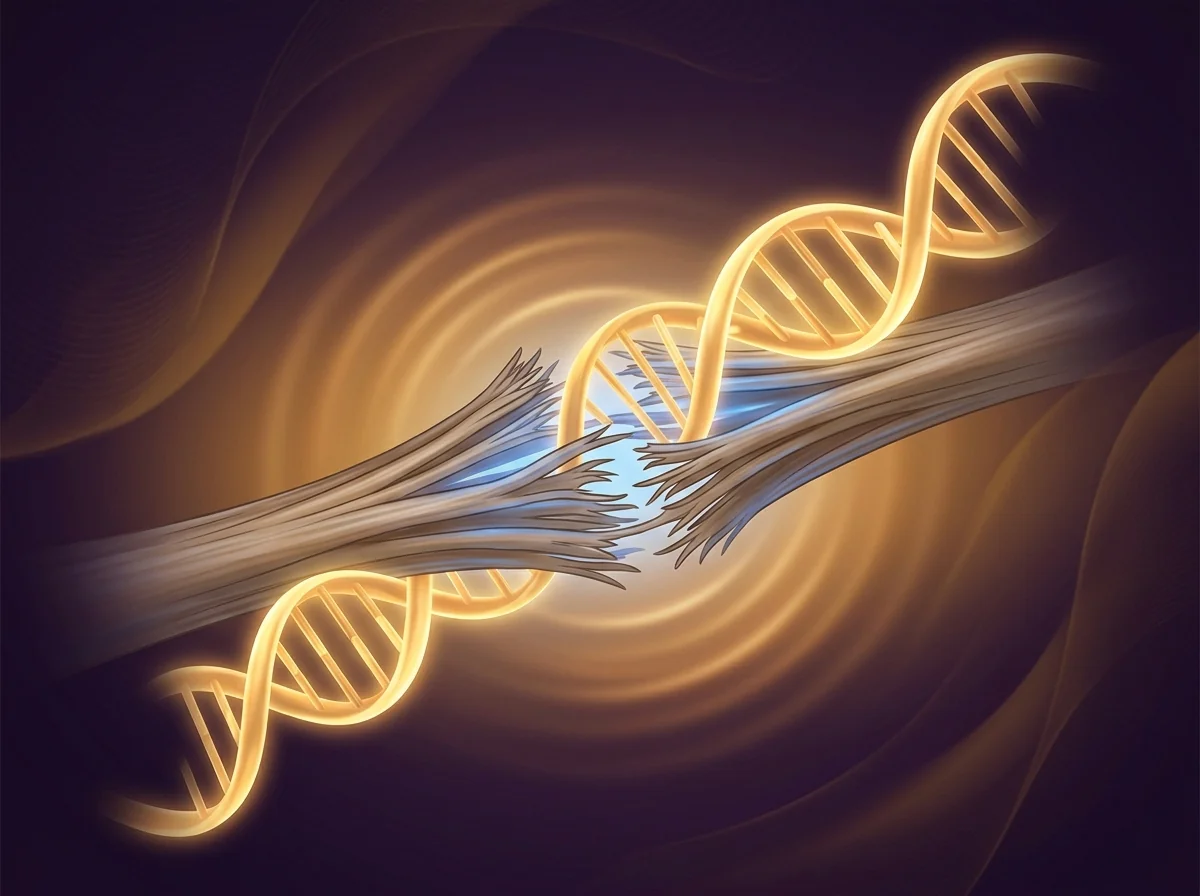
This is the same cell, shown before and after amino acid therapy — and the difference is striking. On the left: a cell running on empty. A comprehensive review in the Annual Review of Animal Biosciences confirmed that subclinical amino acid deficiencies are common in adults over 40, even in people who eat well, due to declining digestive enzyme production. This is why you can feel tired even after a full night's sleep — your cells literally lack the raw materials to function. On the right: the same cell with everything it needs. Mitochondria are glowing with energy, the nucleus is actively working, and golden sparks of freshly made proteins are being shipped out. This is the cellular version of "I feel like myself again" that our patients describe.
Comprehensive review confirming that essential amino acid deficiency impairs protein synthesis, immune function, and metabolic health even in well-fed populations. Subclinical deficiencies are common in adults over 40 due to declining digestive enzyme production and absorption capacity, making targeted supplementation increasingly relevant with age.
Meta-analysis of perioperative IV amino acid supplementation documented accelerated muscle recovery, improved wound healing, and reduced hospital length-of-stay across multiple surgical populations. IV delivery bypassed the elevated catabolic burden seen post-operatively, delivering amino acid substrate directly to tissues during the window when protein synthesis is most active.
Review establishing glutamine, leucine, and BCAA availability as rate-limiting factors in immune cell proliferation, gut barrier integrity, and post-exercise recovery. Targeted supplementation restored immune function in catabolic states (post-infection, post-exercise, post-surgical) and reduced infection rates in deficient populations — supporting the role of amino acid protocols beyond athletic contexts.
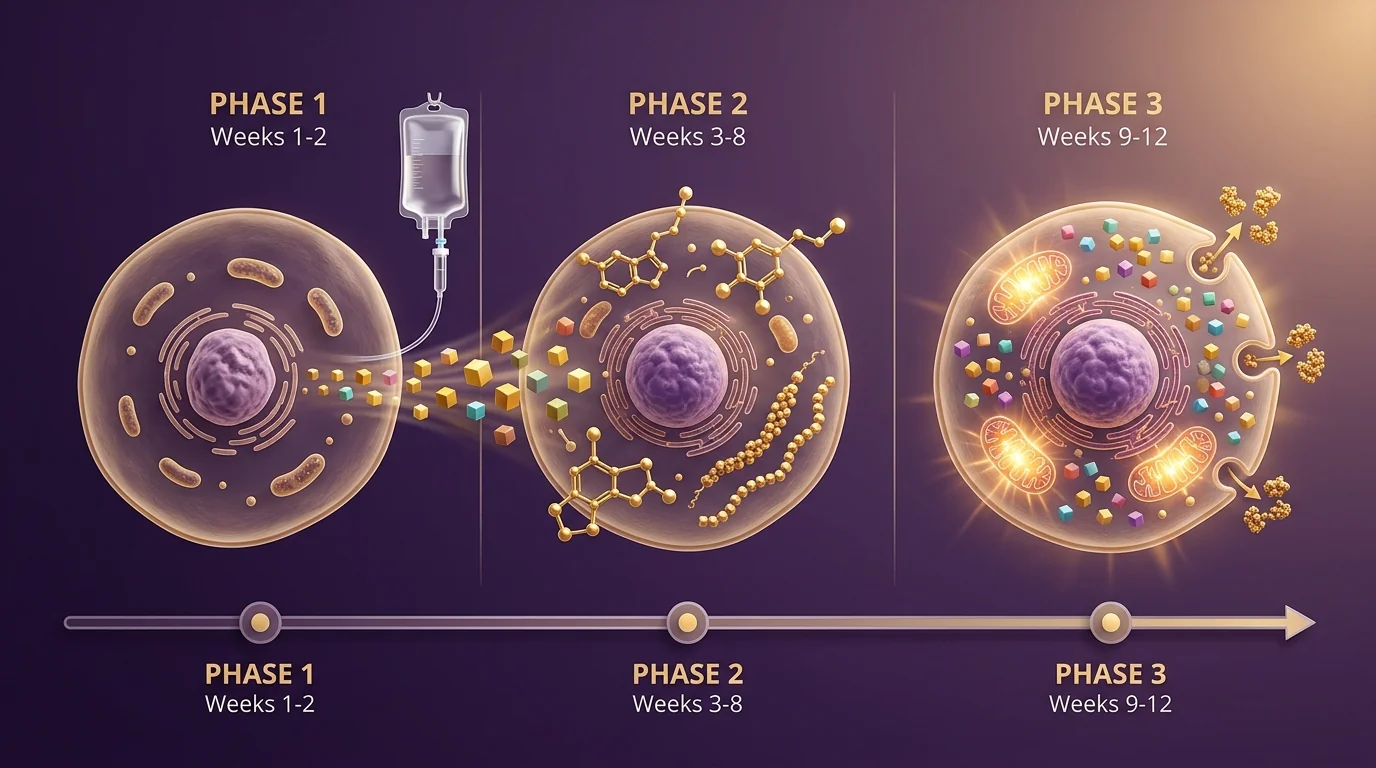
What to Expect
Initial Repletion
First IV or injection delivers targeted amino acid blend based on your lab-identified deficiencies. Subtle energy shifts in the first 5-10 days as deficient precursors restore. Sleep quality often improves first.
Active Uptake
Neurotransmitter synthesis (serotonin, dopamine) normalizes; mood stabilizes. Muscle protein synthesis improves. Post-workout recovery noticeably better. Mental clarity becomes more consistent.
Baseline Restored
Sustained mood, energy, and recovery improvements. Follow-up labs at week 10-12 confirm amino acid levels normalized. Maintenance schedule personalized based on response and lifestyle.
Your Protocol at a Glance
Ideal For
Patients with mood imbalances, chronic fatigue, poor recovery, or suboptimal nutrition absorption.
Your Protocol
Oral or injectable formulations based on amino acid panel results. Typically 4-12 week protocols with reassessment.
Safety & Considerations
- IV or IM administration — well-tolerated with minimal adverse events across thousands of patients
- Not recommended in severe kidney disease (eGFR <30) without nephrology clearance
- Patients on dialysis require coordination with their nephrology team for timing
- Mild warmth or flushing sensation common during IV — not an allergic reaction, typically resolves with slower infusion rate
- Contraindicated in phenylketonuria (PKU) — amino acid formulas contain phenylalanine
Stacks Well With
Patients commonly combine Amino Acid Therapy with these for complementary or synergistic effects:
Frequently Asked Questions
Ready to Start Amino Acid Therapy?
Add to your plan and bundle with other services to save 15%. Or book directly.
Cancellation Policy: A $50 non-refundable deposit is required to confirm your appointment for all consultations — our front desk will reach out to collect it after you book. The deposit is applied toward your visit cost. We require at least 24 hours' notice for cancellations or changes. No-shows or late cancellations will forfeit the deposit. By booking, you agree to these terms.
Business hours: Mon–Thu 8am–6pm · Fri 8am–12pm
Explore Other Peptides
 BPC-157
 TB-500 Tesamorelin
 Copper Peptide (GHK-Cu)
 Arginine
 PT-141 (Bremelanotide)
 Melanotan MOTS-c
 GLO
GLO KPV
KPV DSIP High Dose Vitamin C
 Venofer (Iron Infusion)
 ARA-290
 Wolverine (Recovery Stack)
 Captain America (Sleep Stack)
 Black Widow (Glow Blend) Iron Man (Body Recomp Stack)
 Gambit (Intimacy Stack)
 Deadpool (Healing+ Stack)